Balanced Routines for Steady Energy

Practical daily structures designed to keep your energy consistent from the moment you wake up until you fall asleep.

Building Your Daily Framework

Each part of your day has a natural rhythm. Working with it — rather than against it — is the key to consistent energy.
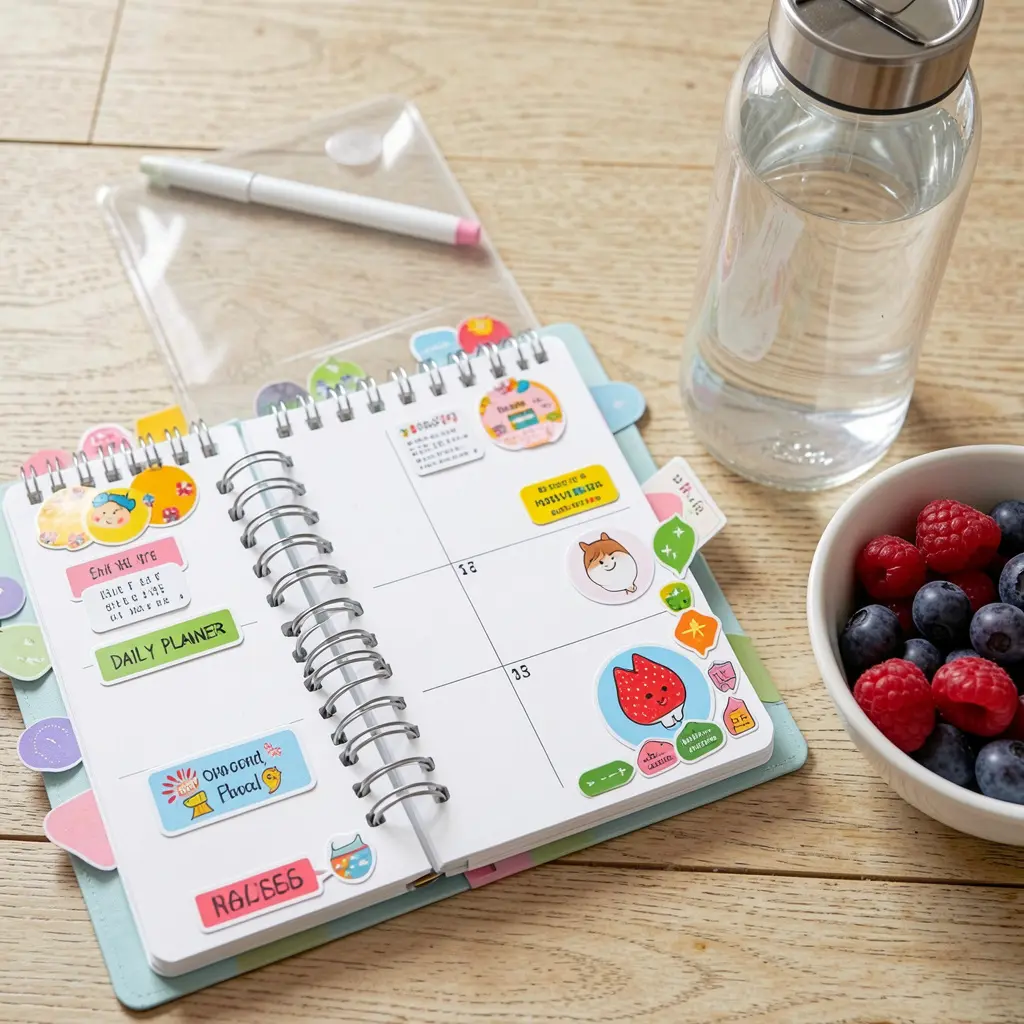
Organised daily planner with healthy snacks and water

Why Routines Matter

Your body operates on a circadian rhythm that naturally cycles through periods of high and low alertness. When you align your tasks and meals with these cycles, you spend less energy fighting fatigue and more time being productive.

A reliable routine reduces decision fatigue, helps regulate appetite, and creates a sense of stability that your nervous system thrives on.

Routine Blocks That Work

Use these structured blocks as a starting template and adjust based on your personal schedule and preferences.

1

Morning Power Block (6:30 – 9:00)

The first two hours after waking set the tone for your entire day. Focus on hydration, gentle movement, and a nutrient-dense breakfast. Avoid diving straight into emails or news, which can trigger stress responses early.

  • Drink 300–500 ml of water within 15 minutes of waking
  • Engage in 10–15 minutes of stretching or light exercise
  • Eat a breakfast rich in protein, fibre, and healthy fats
  • Spend 5 minutes setting your top three priorities for the day
2

Deep Work Session (9:00 – 12:00)

Many people report stronger concentration in the late morning. For many schedules, this can be a useful window for creative work, complex problem-solving, and tasks requiring concentration.

  • Work in focused 50-minute intervals with 10-minute breaks
  • Keep your phone on silent or in another room
  • Have a small, healthy snack if needed around 10:30
  • Stand up and stretch during each break
3

Midday Recharge (12:00 – 14:00)

Lunch is more than a meal — it is a signal to your body to shift gears. Choose foods that provide sustained release of energy, and use part of this window for a mental reset. A 15-minute walk after eating may help ease post-lunch drowsiness for some people.

  • Include vegetables, lean protein, and whole grains in your lunch
  • Take a walk outdoors, even if only for 10 minutes
  • Avoid heavy, sugar-laden meals that may cause large energy swings
  • Practice a brief breathing exercise to reset your focus
4

Afternoon Flow (14:00 – 17:30)

Energy naturally dips in the early afternoon, so schedule lighter tasks here: emails, meetings, organisational work, or collaborative projects. Save demanding analytical work for the morning block.

  • Schedule meetings and calls during this block when possible
  • Stay hydrated — low fluid intake can contribute to afternoon fatigue
  • Snack on almonds, fruit, or yoghurt around 15:30
  • If working from home, change your environment briefly
5

Evening Recovery (18:00 – 22:00)

The evening is for winding down and preparing your body for quality sleep. Reduce stimulation, eat a lighter dinner, and create a consistent pre-sleep routine that signals rest to your brain.

  • Eat dinner at least 2–3 hours before bedtime
  • Dim lights and reduce screen brightness after 20:00
  • Engage in relaxing activities: reading, light stretching, or journaling
  • Keep your bedroom cool, dark, and quiet

Quick Energy Tips

Incorporate these micro-habits into any routine for an added energy boost throughout the day.

Stay Hydrated

Even mild dehydration reduces concentration and increases feelings of tiredness. Keep water within reach at all times.

Get Natural Light

Exposure to natural light in the morning helps regulate your circadian clock and improves alertness throughout the day.

Move Every Hour

Brief movement breaks can reduce stiffness and support circulation, helping you stay more comfortable and focused.

Mind Your Caffeine

Enjoy coffee or tea in the morning, but consider switching to herbal options after midday to protect your sleep quality.

Need Personalised Guidance?

Reach out to our team and we can help you explore a routine that fits your unique lifestyle and goals.

Contact Us